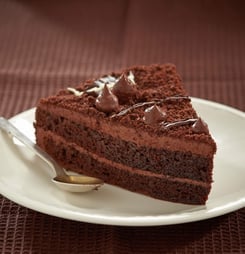
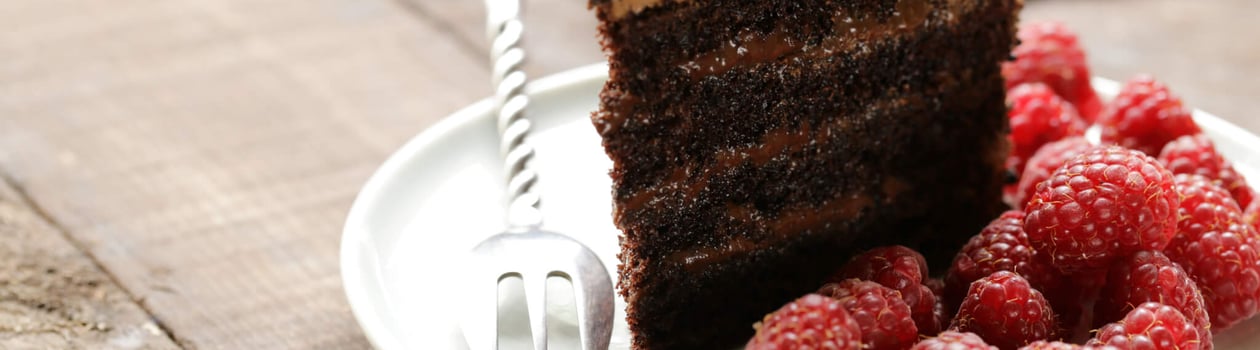
National Devil’s Food Cake Day is a time when people celebrate a beloved chocolate cake known for its rich and moist texture.
Unlike ordinary chocolate cake, Devil’s Food Cake has a darker color and a deeper chocolate flavor.
It’s a day set aside to appreciate this delicious treat that stands out for its unique taste and satisfying richness!
National Devil’s Food Cake Day Timeline
Commercial Cocoa Becomes Widely Available in the U.S.
Hershey’s begins mass-producing cocoa powder, helping to popularize darker, richer chocolate cakes that would pave the way for intensely flavored styles like devil’s food.
One of the Earliest “Devil’s Food Cake” Recipes in Print
Mrs. Rorer’s New Cook Book publishes a recipe called “Devil’s Food Cake,” describing a dark, moist chocolate layer cake that differs from lighter, milk-based chocolate cakes of the period.
Devil’s Food Cake Enters Mainstream American Cookery
The New Dixie Receipt Book includes a widely cited “Devil’s Food Cake” recipe, helping fix the name for a very chocolatey, tender cake that uses baking soda and cocoa for depth and color.
Angel Food and Devil’s Food Become a Popular Contrast
By the early 1920s, cookbooks and women’s magazines frequently pair light, egg-white “angel food” cakes with dark, cocoa-rich “devil’s food” cakes, cementing the playful good-versus-evil naming in American dessert culture.
Hershey’s Promotes Modern Chocolate Layer Cakes
Hershey’s publishes its famous Chocolate Cookbook, spreading standardized recipes for rich chocolate layer cakes and reinforcing the American taste for dark, moist chocolate cakes akin to devil’s food.
Boxed Cake Mixes Bring Devil’s Food to Home Kitchens
General Mills’ Betty Crocker brand introduces chocolate and later devil’s food cake mixes, making it simple for home bakers to produce soft, dark chocolate cakes without starting from scratch.
Devil’s Food Style Goes Global Through Packaged Snacks
Hostess introduces the Ding Dong, a chocolate snack cake with a rich, dark crumb and creamy filling that echoes devil’s food characteristics, spreading the style beyond homemade desserts into mass-market treats.
How to Celebrate National Devil’s Food Cake Day
Bake a Masterpiece
First, why not try baking your Devil’s Food Cake? It’s a chance to show off your kitchen skills. Don’t worry if it’s not perfect. It’s all about having fun and enjoying the process. Plus, the smell of chocolate baking in the oven? Absolutely divine.
Cake Swap Party
Host a cake swap with friends. Each person bakes a Devil’s Food Cake, then everyone swaps slices. It’s a delicious way to discover new recipes and see how a single cake can vary.
Imagine a table full of different versions of this chocolatey treat. Heaven!
Chocolate Dress-Up
Have you ever considered adding a twist to your Devil’s Food Cake? Today’s the day to get creative. Throw in some spicy chili, a dash of espresso, or even orange zest.
Each addition can turn the classic cake into something extraordinary. Who knows, you might invent a new favorite!
Share the Joy
Lastly, sharing is caring. Why not surprise neighbors, friends, or coworkers with a slice of cake? It’s a sweet way to brighten someone’s day and spread the joy of National Devil’s Food Cake Day.
Additionally, it serves as an excellent opportunity to engage in conversation and bring a smile to someone’s face while enjoying a slice of cake.
Reasons to Celebrate National Devil’s Food Cake Day
Why do people celebrate National Devil’s Food Cake Day? It’s simple. This day highlights the joy and indulgence of enjoying a piece of decadent chocolate cake. Devil’s Food Cake is more than just a dessert; it’s an experience of indulging in something truly special.
The cake’s intense chocolate flavor and moist texture make it a favorite among chocolate lovers. Celebrating this day allows people to enjoy and share their love for this exceptional dessert.
National Devil’s Food Cake Day celebrates chocolate’s rich and indulgent side. This day encourages everyone to take a moment to enjoy life’s sweeter moments.
Whether you’re a seasoned baker or just someone who loves delightfulod slice of cake, this day reminds you of the simple pleasures in life. It brings people together over a shared love for chocolate and helps spread happiness through the universal language of dessert.
History of National Devil’s Food Cake Day
The story of National Devil’s Food Cake Day goes back to the early 1900s in the United States. This day honors a chocolate cake that’s darker and richer than the average chocolate cake.
The term “devil’s food” first appeared in 1905, referring to a cake that offered a more intense chocolate flavor and a wonderfully moist texture. This cake quickly became a favorite for its indulgent taste and distinctive look compared to other chocolate cakes.
But why dedicate a day to this cake? It’s all about celebrating the love for chocolate in one of its most delightful forms. Devil’s Food Cake stands out for its deep chocolate flavor, often enhanced with coffee or boiling water instead of milk.
This method brings out a richer taste, making the cake a special treat. By setting aside a day to celebrate it, people get a chance to express their appreciation for this indulgent dessert.
The significance of National Devil’s Food Cake Day goes beyond just enjoying a slice of cake. It’s about acknowledging a piece of culinary history that has brought joy to many over the years.
This day reminds us of the simple pleasures in life, like the taste of a delicious chocolate cake. It brings people together to share in the enjoyment of baking and eating, highlighting the cake’s role in many celebrations and gatherings.
So now we celebrate not just a cake but a tradition of indulgence and happiness!
Facts About National Devil’s Food Cake Day
Deep Roots of Devil’s Food Cake in Early 20th‑Century Cookbooks
Devil’s food cake emerged as a distinct American dessert in the early 1900s, appearing in cookbooks like “Mrs. Rorer’s New Cook Book” (1902) and “The New Dixie Receipt Book” (1903), where it was defined not just by chocolate but by a very soft, moist crumb and generous use of fat and sweetening.
These early recipes helped separate devil’s food from plainer “chocolate cake” and marked a shift toward richer, more indulgent layer cakes in American home baking.
Why “Devil’s” Food Was Once Considered Daring
In the late 19th and early 20th centuries, American cookbooks sometimes contrasted very light, egg‑white‑based “angel food” cakes with darker, richer “devil’s food” cakes, tapping into religious imagery to market indulgence.
The name signaled a more sinful, luxurious dessert at a time when many home cakes were still relatively simple and restrained.
How Cocoa’s Acidity Helps Create the Signature Dark Crumb
Traditional devil’s food cake relies on natural (non-Dutch-processed) cocoa, which is acidic, combined with baking soda.
The reaction between the cocoa’s acids and the alkaline baking soda not only produces carbon dioxide for lift but also deepens color compounds in the cocoa, leading to the characteristic dark, velvety crumb associated with devil’s food.
The Science Behind Using Boiling Water or Coffee in the Batter
Many devil’s food recipes call for pouring boiling water or hot coffee into the batter, a technique that “blooms” the cocoa by dissolving and dispersing fat‑soluble flavor compounds.
The hot liquid intensifies chocolate aroma, helps create a looser batter that bakes into a tender crumb, and, when coffee is used, adds roasted notes that make the chocolate taste even more complex.
Industrial Cocoa Processing Made Cakes Like This Possible
The widespread popularity of devil’s food cake depended on 19th‑century advances in cocoa processing, especially the Dutching method and mechanical pressing that turned cacao into a stable, affordable powder.
These technologies, developed by companies such as Van Houten and later adopted by American manufacturers, let home bakers measure cocoa reliably and produce deeply flavored chocolate cakes without expensive solid chocolate.
Baking Powder and Soda Helped Transform American Layer Cakes
Before chemical leaveners, most cakes depended on whipped egg whites or yeast for rise, which limited how rich and dense a cake could be.
The introduction of reliable baking soda and baking powder in the mid‑19th century meant home bakers could create high‑rising, very tender, heavily sweetened layer cakes, setting the stage for luxurious styles like devil’s food to become household favorites.
Chocolate Layer Cakes as Symbols of Hospitality in the U.S.
By the early 20th century, tall chocolate layer cakes had become a centerpiece dessert at American celebrations, potlucks, and Sunday dinners, especially in the South and Midwest.
Rich cakes like devil’s food were often reserved for birthdays or company, functioning as edible symbols of generosity and domestic skill in an era when baking from scratch still required significant time and effort.